



Homeowners throughout Tampa Bay frequently encounter issues that stem from water intrusion, whether from roof leaks, plumbing problems, or condensation buildup. When moisture reaches interior surfaces, drywall and ceiling repairs are often part of the restoration process. Understanding how water affects drywall structure, how repairs are completed, and when replacement may be necessary can help homeowners respond with clarity and confidence.
How Water Damage Begins
Water intrusion can result from a range of issues, each with its own pattern of spread. Roof leaks often allow moisture to enter from above, which then travels along rafters or joists until it reaches the ceiling surface. Plumbing leaks within walls can saturate drywall quickly, while slow pipe drips create gradual staining that becomes more noticeable over time.
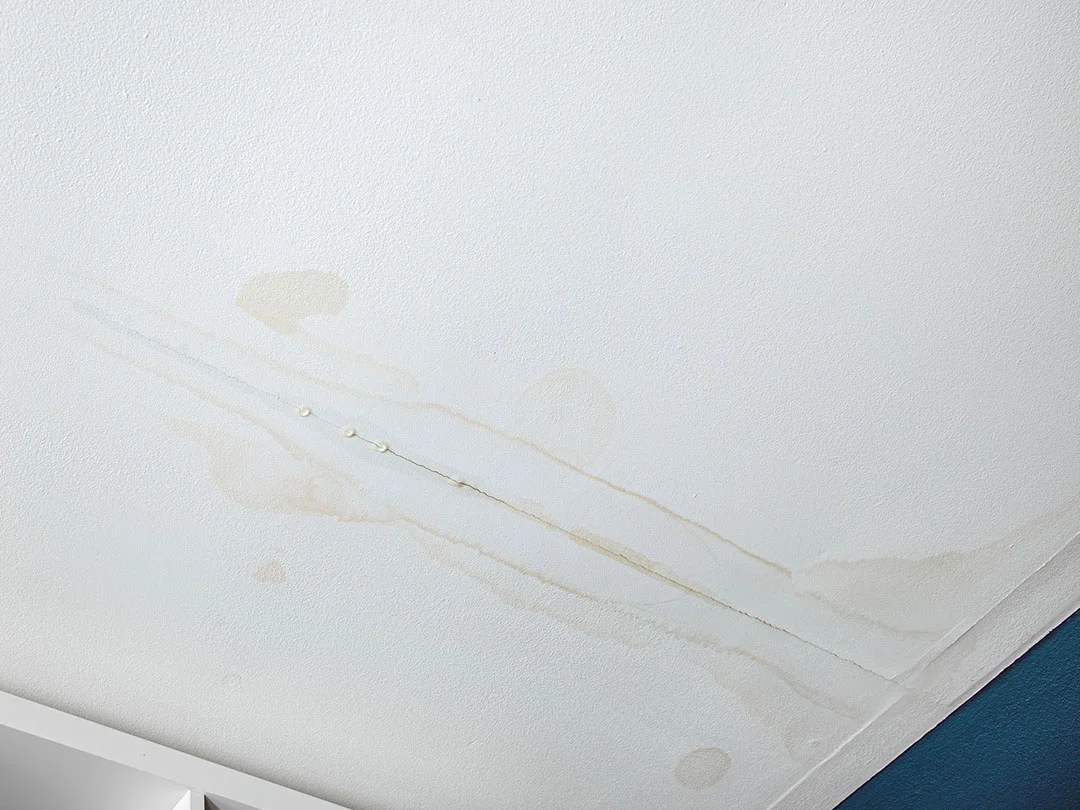
Drywall is highly absorbent, which means even a small leak can lead to swelling, discoloration, or softening. Once water sits within the material, it may lead to odors, mold development, or structural weakening. Ceiling surfaces may sag when moisture collects above them, especially when insulation becomes saturated.
Assessing the Extent of Damage
Before repairs begin, the affected area must be evaluated to determine how far the moisture has spread. Surface stains may appear minor, yet the underlying material can hold deeper saturation. A thorough assessment checks for soft areas, peeling paint, bubbling texture, and seam separation. Ceilings may show subtle dips or cracks that suggest weakening.
In some situations, only the outer layer of drywall is affected. However, when water has penetrated the core, replacement sections may be required. Mold presence is another factor that influences the repair approach. Mold often appears as dark or patchy discoloration and requires removal to prevent future growth.
Steps in the Drywall Repair Process
Once the source of water intrusion has been corrected, restoration can begin. The damaged drywall must be thoroughly dried to prevent further deterioration. This may involve ventilation, fans, or dehumidifiers, depending on the severity of saturation. When the area is dry, technicians cut out weakened sections to create clean edges for patching.
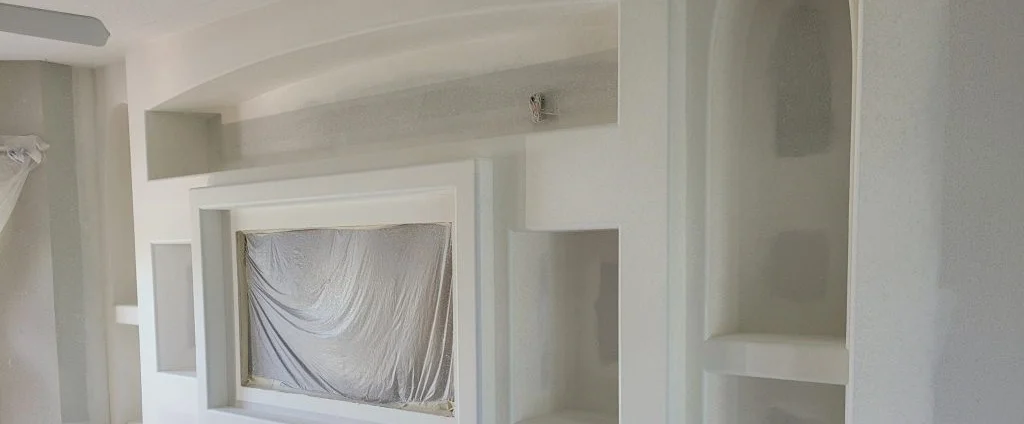
New drywall sections are installed to match the thickness and texture of the surrounding surface. Joints are secured with tape and compound, which is applied in thin layers to blend the patch seamlessly. After sanding, the surface becomes ready for primer and paint. Ceiling repair follows the same method, though additional care is taken to ensure structural integrity when working on overhead surfaces.
Texture matching is often the most delicate step. Homes in Tampa Bay feature various finishes, including orange peel, knockdown, and smooth coats. Achieving a consistent appearance requires skill and precise application.
When Replacement Becomes More Cost-Effective
A replacement may offer a better outcome when the damaged area is large or moisture has caused significant structural weakening. For example, if multiple wall panels have absorbed water or the ceiling shows extensive sagging, it may be more efficient to replace an entire section rather than attempt multiple patchwork repairs.
Homes with repeated leaks or older drywall may also benefit from replacement, as new material can enhance longevity and appearance. Replacement is often recommended when mold has spread beyond the surface layer. Removing affected panels helps ensure a healthier indoor environment.
In some cases, insurance considerations may influence the decision. If a covered event causes water damage, the claim may include replacement costs. A professional assessment helps determine the most practical approach.
Preventing Future Damage
Preventive measures help limit the risk of repeated intrusion. Routine roof inspections, plumbing checks, and monitoring for early signs of moisture all contribute to a safer home environment. Quick response to minor leaks prevents widespread damage and reduces the scale of future repairs.
Interior ventilation also plays a role. Kitchens, bathrooms, and laundry rooms should have functional exhaust systems to reduce humidity. Condensation buildup on windows or vents may signal a need for improved airflow.
Frequently Asked Questions
How can I tell if the drywall is too damaged to repair?
If the material feels soft, crumbles easily, or shows mold growth, replacement may provide a more reliable result than patching.
Can ceiling damage spread even after the leak stops?
Yes. Moisture trapped within insulation or framing can continue to affect the ceiling until the area is fully dried.
How long does drywall repair usually take?
Minor repairs may require one to two days due to drying time between compound layers. Larger projects may take longer.
Should I be concerned about mold after water damage?
Mold can develop within drywall quickly. If discoloration or odor appears, professional evaluation is recommended.
Addressing water intrusion promptly helps protect homes throughout Tampa Bay and reduces the likelihood of extensive drywall repair or ceiling repair. Understanding how damage forms, how repairs are completed, and when replacement is more efficient allows homeowners to make informed decisions. For professional service and guidance, visit Ceiling Solutions Fast.
Picture Credit: Depositphotos